Exploring Laboratory Line Art for Embroidery
As a seasoned embroidery designer, I was intrigued by the Laboratory Line Art Illustration when considering it for a new custom embroidered tote bag project. This design offers a unique blend of science and art, making it a perfect fit for a variety of creative endeavors.
A First Impression: Clean and Inviting
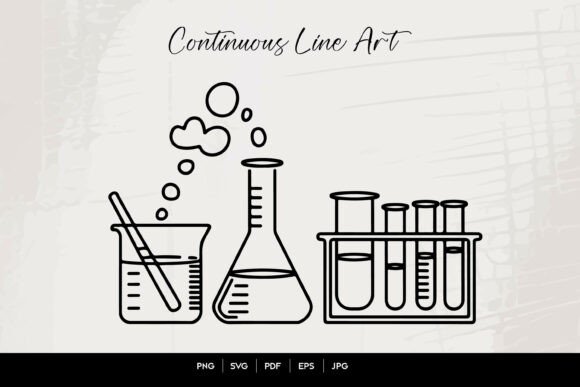
The Laboratory Line Art Illustration immediately caught my eye with its clean, continuous line style. The design feels modern and inviting, with a minimalist aesthetic that can appeal to a wide audience. The theme is clearly centered around laboratory equipment—beakers, flasks, and test tubes—making it ideal for projects related to science, education, or even quirky, themed gifts.
Real-Life Embroidery Performance
When it comes to real-life embroidery, the Laboratory Line Art Illustration performs exceptionally well. The simplicity of the design means it translates cleanly into various embroidery techniques, such as satin stitch, fill stitch, and running stitch. For a custom tote bag, this design would stand out, especially on a light-colored fabric where the details can be appreciated.
- Tote Bag Design: The clean lines and simple shapes make it a standout choice for a tote bag. It adds a touch of sophistication and a nod to scientific curiosity.
- Sweatshirt Embroidery: On a sweatshirt, the design would be both eye-catching and comfortable, given its balanced visual weight.
- Baby Embroidery: For baby items, like onesies or bibs, the design could be a fun and educational addition, perfect for little scientists in the making.
Where to Use with Caution
While the Laboratory Line Art Illustration is versatile, there are some areas where it should be used with caution. For instance, on small hoop sizes, the intricate details might not translate well, and on textured or stretchy fabrics, the design may lose its crispness. Additionally, on dark fabrics, the contrast might need to be carefully managed to ensure the design stands out.
- Small Hoop Sizes: Test the design on scrap fabric first to ensure all details are visible and clear.
- Textured Fabrics: Use a stabilizer to help maintain the integrity of the design, especially on materials like towels or blankets.
- Dark Fabrics: Choose thread colors that provide good contrast to ensure the design is noticeable and appealing.
Visual Appeal and Practical Considerations
The Laboratory Line Art Illustration enhances the visual appeal of any embroidered project, adding a touch of elegance and interest. It’s particularly effective in creating a professional and polished look, which can be crucial for handmade products, personalized gifts, and commercial embroidery projects. The design also lends itself well to maintaining brand consistency, making it a valuable asset for Etsy sellers and small shop owners.
Designer Notes and Tips
Before embarking on your embroidery project with the Laboratory Line Art Illustration, here are a few practical tips:
- Test on Scrap Fabric: Always start with a test run to check the design's clarity and adjust settings if needed.
- Thread Color Contrast: Ensure the thread colors you choose provide enough contrast, especially on darker fabrics.
- Stitch Density: Review the stitch density to avoid overly dense areas that might cause puckering or distortion.
- Hoop Size: Confirm the hoop size is appropriate for the design to avoid stretching or distorting the fabric.
- Stabilizer: Use the right type of stabilizer to support the fabric and maintain the design's integrity.
- Black and White Mockups: Test the design in black and white to see how it holds up without color, which can be useful for digital previews and mockups.
- Licensing: Check the licensing terms before using the design for commercial projects or selling finished items.
In conclusion, the Laboratory Line Art Illustration is a versatile and visually appealing design that can elevate a wide range of embroidery projects. Whether you’re crafting a custom tote bag, a stylish sweatshirt, or a thoughtful gift, this design is sure to add a unique and professional touch. Just remember to test and adjust as needed to ensure the best possible outcome for your finished product.